-
Phone
- (800) 774-3959
- Closed, but you can leave a Voicemail
-
Hours (EST)
- Mon to Fri, 8 am to 7 pm
- Sat to Sun, 12 pm to 4 pm
-
Live Chat
- Offline, but you can leave a Message
-
Hours (EST)
- Mon to Fri, 8 am to 7 pm
-
Email
-
Hours (EST)
- Mon to Fri, 8 am to 7 pm
- Sat to Sun, 12 pm to 4 pm
-
Response Times
- sales@goreadyinsurance.com (within 1 to 4 hrs)
- claims@goreadyinsurance.com (within 24 hours)
- service@goreadyinsurance.com (within 24 hours)
-
Hours (EST)

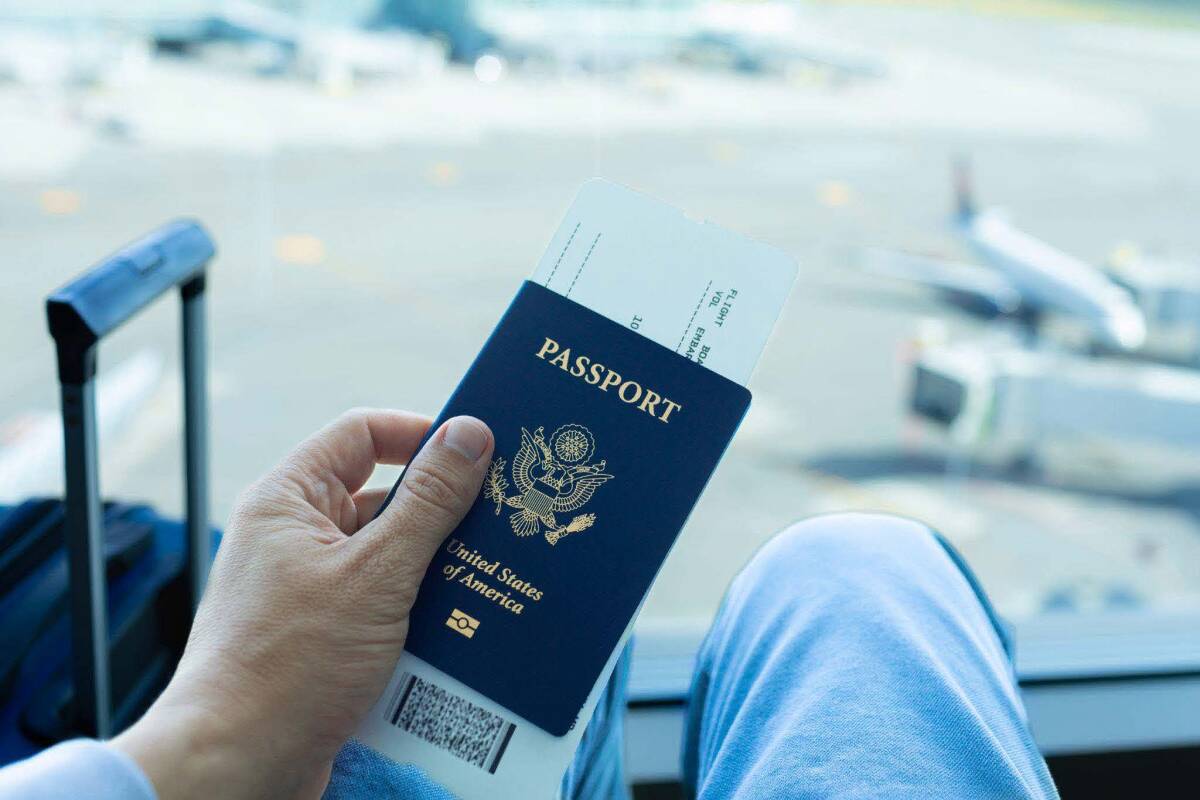
Does Travel Insurance Cover Passport Issues?
After a day of exploring the streets of Rome, you return to your hotel only to discover that your money belt is missing — and with it, your passport. Panic sets in as you realize it must have been stolen while you were out sightseeing. Hypothetical scenarios like this one will quickly have you asking, “What happens if I lose my passport while traveling?” and “How do I get a replacement passport abroad?”
Now, imagine touching down in China, only to learn that the airline has lost your luggage — specifically, the suitcase that contained your travel documents. As you stress over how to navigate customs, another question comes to mind: “Does travel insurance cover passport issues?” Whether you’re dealing with theft, loss, or delays, here’s how travel insurance can help solve common passport problems.
Passport Problems Covered by Travel Insurance
Even with a meticulously planned itinerary, travelers often face unexpected challenges while venturing abroad. However, few complications are as stressful as losing a passport. As a primary form of identification that’s required for both entry and exit, a lost or stolen passport can incur significant delays or even cause you to be denied entry when arriving at or departing from a destination.
If you want to avoid passport problems complicating your travel plans or, worse, potentially stranding you abroad, it’s wise to invest in travel insurance. A comprehensive travel insurance policy will come equipped with travel document insurance, which can be a lifesaver in the event of passport-related issues. Here’s a breakdown of the specific passport problems that are typically covered:
- Lost Passport Coverage: If your passport or a similar travel document, such as a travel visa, is lost while traveling, travel insurance can reimburse you for the costs of obtaining a replacement, including emergency travel documents provided by the local embassy.
- Stolen Passport Coverage: If your passport is reported stolen before your trip and you must cancel your plans, travel insurance may reimburse your prepaid, nonrefundable trip costs. If your passport is stolen while abroad, your travel insurance can reimburse the costs associated with a replacement along with any eligible expenses resulting from a travel delay.
- Emergency Assistance Services: If you travel internationally without a passport, many travel insurance policies offer emergency assistance to help you report the theft, connect with the local embassy, and obtain a passport.
Passport Validity Rules: Another Trip Disruption Trigger
A lost or stolen passport isn’t the only document issue that can derail a trip. Many countries also require your passport to stay valid well past your travel dates, and falling short of that requirement can get you turned away before your trip even starts.
Most countries enforce one of two validity rules. Under the 6-month rule, your passport must remain valid for at least six months beyond your arrival or departure date, depending on the country. Under the 3-month rule, three months of validity beyond your arrival or departure is enough. All 29 Schengen countries, including popular destinations like France, Italy, Germany, and Spain, fall under a single uniform 3-month standard: your passport must be valid for at least three months beyond your planned departure from the Schengen area, per current U.S. State Department guidance. Cyprus applies the same three-month standard for U.S. citizens even though it isn’t a Schengen member. A handful of countries, including Canada and the United Kingdom, only require your passport to remain valid for the length of your stay, with no extra buffer at all. Because these rules vary by country and change without much notice, confirm the current requirement for your destination with the country’s embassy or consulate before you travel.
Countries that have historically enforced a 6-month rule span every region: Turkey, Russia, and Belarus in Europe; China, Thailand, Indonesia, Vietnam, the Philippines, and Malaysia in Asia; the UAE, Saudi Arabia, Qatar, and Israel in the Middle East; Kenya, Tanzania, and South Africa in Africa; Brazil, Ecuador, and Peru in South America; Belize, Honduras, and the Dominican Republic in Central America and the Caribbean; and Fiji and Papua New Guinea in Oceania.
A validity shortfall can trigger the same kind of disruption as a lost passport: denied boarding from your airline, denied entry at the border, or a rejected visa application. These are the moments when travel insurance becomes relevant again. If a validity issue forces you to cancel a trip you haven’t started, Trip Cancellation coverage may reimburse your nonrefundable costs. If it happens once you’re already traveling and disrupts your itinerary, Trip Interruption and Trip Delay benefits may apply, depending on your policy’s covered reasons.
One important distinction: this is a rule about U.S. citizens traveling to other countries. It’s easy to confuse with a separate, opposite-direction requirement for foreign citizens visiting the United States. U.S. Customs and Border Protection generally asks visitors to hold a passport valid for six months beyond their U.S. stay, though its Carrier Liaison Program exempts citizens of more than 100 countries from that extra buffer, most recently updated December 18, 2025. If you’re a U.S. citizen planning a trip abroad, the rule that matters to you is your destination country’s own requirement, not this inbound-to-the-U.S. rule.
Travel insurance does not extend your passport’s validity, waive a country’s entry requirements, or guarantee that you’ll be allowed to board or enter. Checking your passport’s expiration date against your destination’s rules is still on you. What Aegis coverage can do is help offset the financial fallout, the canceled flights, forfeited deposits, and rebooking costs, if a validity issue disrupts a trip you’ve already insured.
What to Do If You Lose Your Passport While Traveling
You don’t need to experience it firsthand to know that losing your passport while traveling can turn a dream vacation into a real nightmare. While you’d ideally never find yourself in that situation, it’s smart to be prepared and know what steps to take just in case. Here’s what to do if you lose your passport abroad:
- Report the Loss. Your first step should be to report your lost or stolen passport to the local authorities and contact the nearest embassy or consulate. This step is essential to document the loss for your insurance claim and to prevent potential identity theft concerns.
- Connect with the Local Embassy. If you lose your passport while abroad, you must go to the U.S. embassy or consulate in person to apply for a new one. You will be required to gather the necessary documentation and pay any required fees, which can be reimbursed.
- Obtain a Replacement or Emergency Passport. Once you’ve applied for a new passport, the embassy or consulate can replace it as soon as one business day. If there isn’t enough time to wait for a replacement, you can be issued an emergency limited-validity passport.
Remember that your travel insurance provider can offer invaluable support during this time, especially if you’re traveling overseas. Not only can lost passport travel insurance reimburse the costs of replacing your travel documents, but it can also offer logistical support. Reliable providers help you find the nearest embassy or consulate, provide interpreter services, and offer 24/7 assistance.
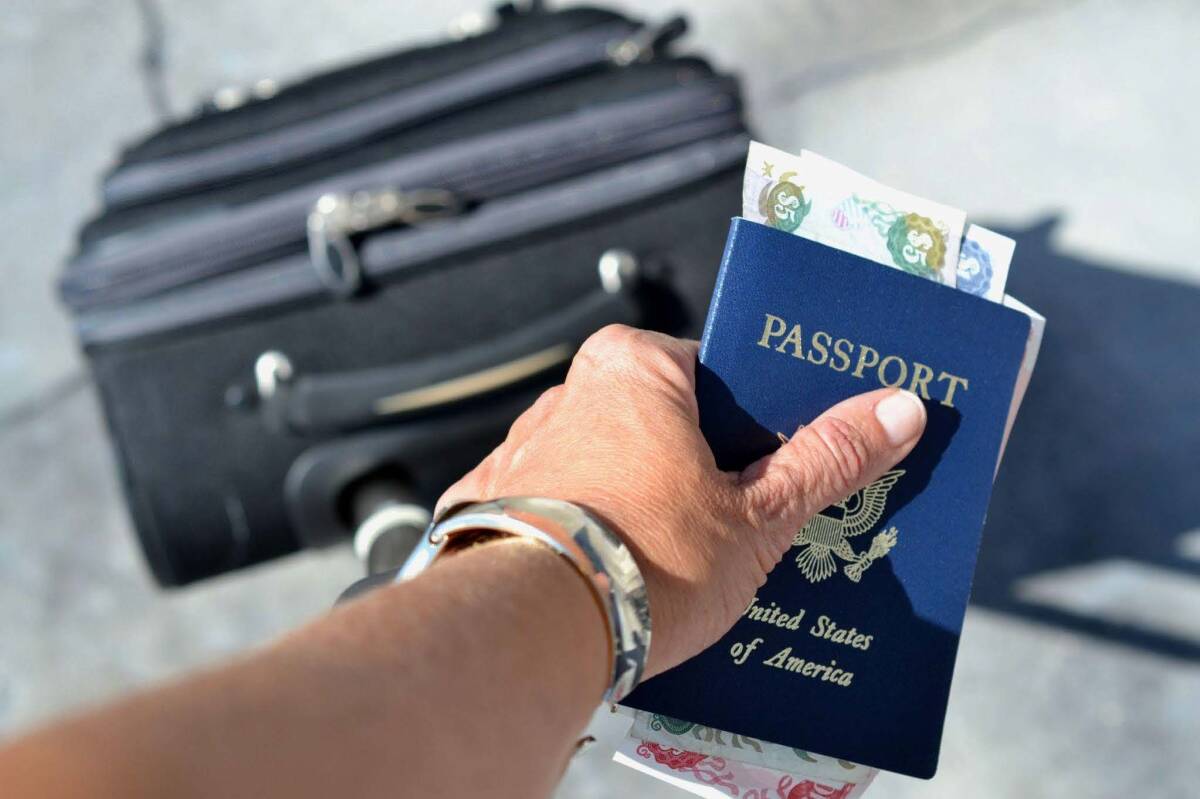
How Travel Insurance Helps with Passport Replacement
So, does travel insurance cover passport issues? Yes, and in more ways than one!
To start, travel insurance typically reimburses you for the cost of obtaining a new passport or emergency travel documents, helping to alleviate the financial burden — especially if you need to expedite the process. Even better, passport replacement insurance comes with support services to streamline the process.
Not to mention, passport issues can lead to travel delays and additional expenses, such as extra nights in a hotel or rebooking flights. Travel insurance offers coverage for passport delays, ensuring you don’t pay out of pocket due to an unforeseen passport problem. Plus, emergency travel document insurance gives you the peace of mind that you’re protected against any financial and logistical challenges.
Understanding the Limitations of Passport Coverage
While travel insurance can offer significant protection, passport replacement insurance has limitations. Most importantly, not all situations are covered.
For example, if your passport is lost due to negligence or irresponsible behavior, such as not storing it properly, your claim may be denied. Likewise, if you can’t depart for a trip because you never had a passport and the one you applied for does not arrive on time, your insurance will not reimburse the prepaid, nonrefundable trip expenses.
The same logic applies to validity issues: if you knew or should have known your passport didn’t meet your destination’s requirements before you bought your policy, a resulting denial of entry or boarding is unlikely to be a covered reason for cancellation.
To file a successful travel insurance passport loss claim, you must provide specific documentation, such as a police report for the stolen passports and receipts for the replacement costs. Similarly, many insurance policies require that you report a lost or stolen passport within a certain timeframe to be eligible for coverage. Make sure you’re aware of these deadlines to avoid any issues with your claim.
Choosing the Right Travel Insurance for Passport Issues
Choosing the right travel insurance is essential for handling passport problems with ease. Look for policies that cover lost, stolen, or delayed passports. Take the time to compare different insurers to find the best protection for your needs. Also, consider providers that offer coverage upgrades, especially when traveling to high-risk areas, to ensure you’re fully prepared for unexpected situations.
Better yet, discover Aegis’s robust travel insurance plans, designed to safeguard you against passport issues, validity requirements, and other travel disruptions. Explore your options today to ensure a worry-free trip!
Frequently Asked Questions
How do I file a claim if my passport is lost or stolen while traveling?
Report the loss to local authorities and the nearest embassy or consulate first, then contact Aegis with your police report and any replacement receipts. Most policies require the loss to be reported within a set timeframe, so don’t wait to start the process.
Is the passport validity rule for visiting other countries the same as the rule for visiting the U.S.?
No, and it’s a common mix-up. The 6-month and 3-month rules above apply to U.S. citizens traveling to other countries. Foreign citizens visiting the United States face a separate, opposite-direction requirement set by U.S. Customs and Border Protection, generally six months of validity beyond their U.S. stay, with over 100 countries exempted under CBP’s Carrier Liaison Program. If you’re a U.S. citizen headed abroad, check your destination country’s own rule, not the U.S. entry requirement.
What is the 6-month passport rule, and can travel insurance help if I’m denied entry because of it?
The 6-month rule requires your passport to remain valid for at least six months beyond your arrival or departure date, depending on the country. Travel insurance can’t override that requirement or guarantee entry and generally will not reimburse losses related to passport validity issues because this is considered a known responsibility of the traveler.
Can I still buy travel insurance if my passport is close to expiring?
Yes, but a known validity problem at the time you buy your policy generally won’t be a covered reason if it later causes a cancellation or denied entry. Renewing before you buy your policy is the safer route.
Does travel insurance cover me if I’m denied boarding because my passport doesn’t meet the validity requirement?
No, travel insurance will not reimburse a trip you couldn’t take because you knew your passport was out of compliance before you purchased coverage. Trip Cancellation, Trip Interruption, or Travel Delay benefits typically apply only when disruption results from a specifically listed event, like severe weather, illness, or a carrier breakdown.


Aegis General Insurance Agency Inc.
Travel Insurance Division
CA License No. 0I66850
National Producer No. 957388